Shopping cart
You have 0 Item in your cart
Language and Shipping
Choose your language and shipping country in order to see correct pricing, delivery times and shipping costs.
Language and Shipping
Care Advice
To ensure that your Efva Attling jewellery gives you pleasure for many years, it is important to take care of it in the best way. Store it in its box when not in use, and wipe it gently after each wear to maintain its shine over time.
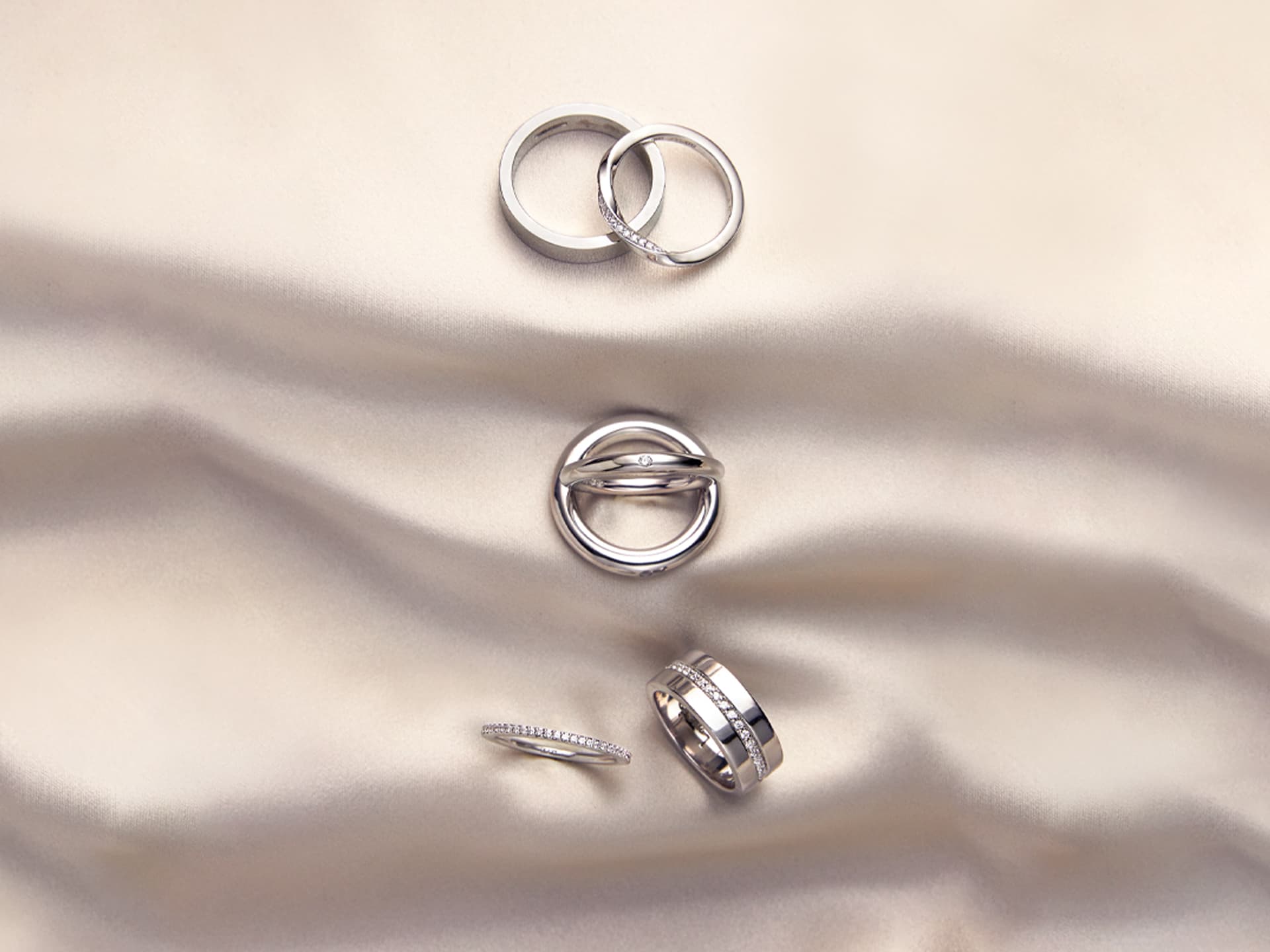

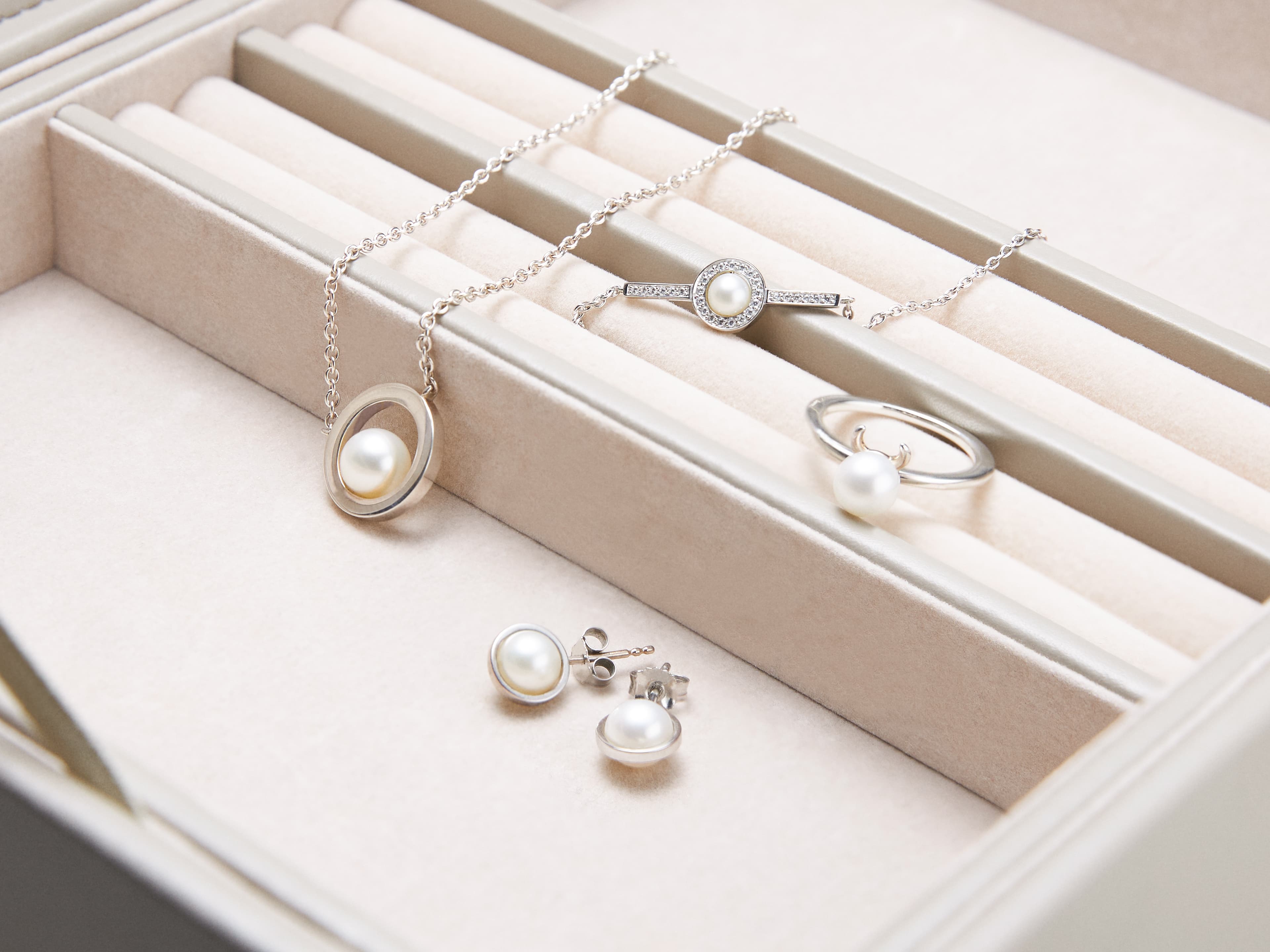
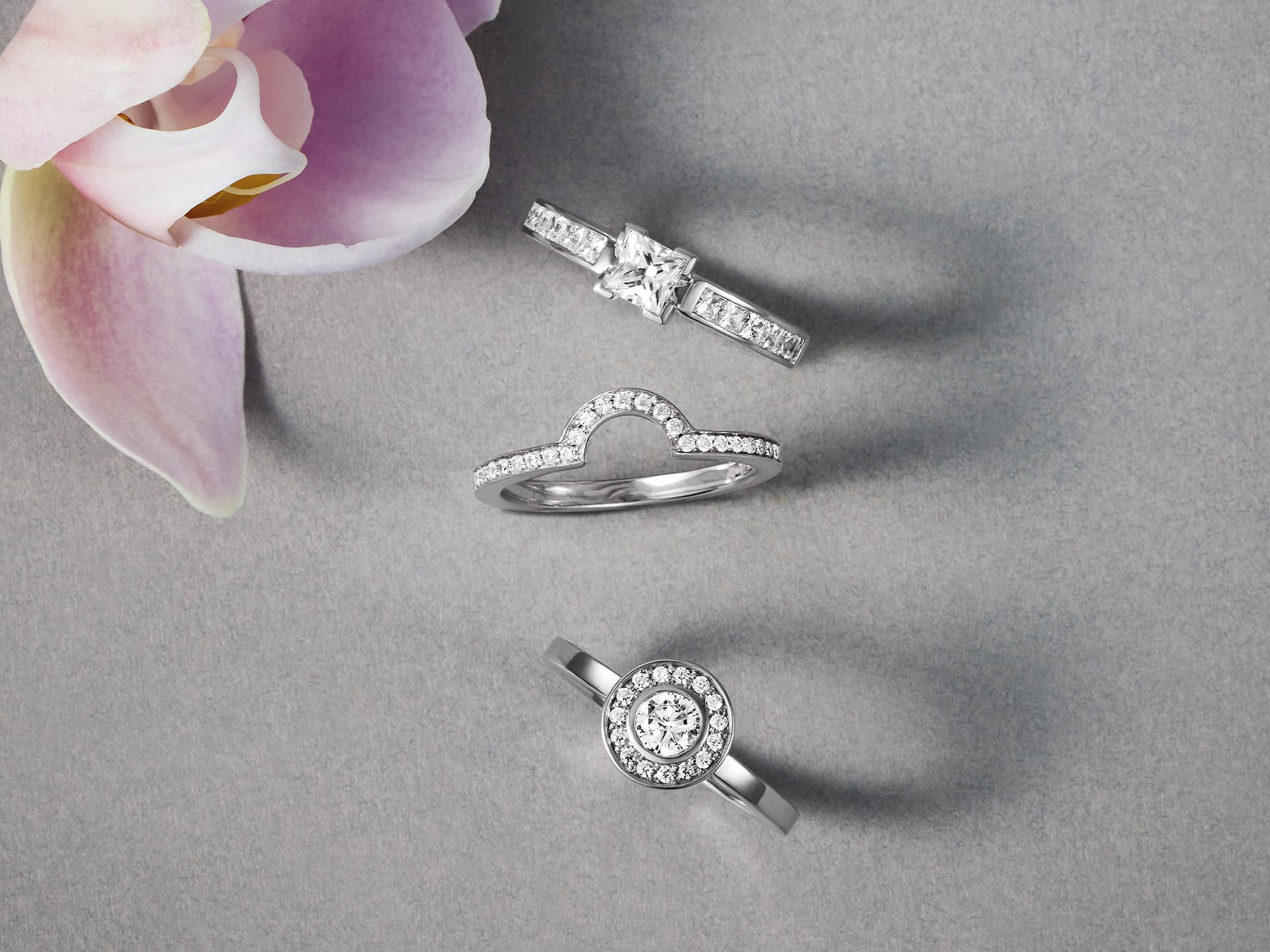

CARE INSTRUCTIONS FOR ALL YOUR JEWELLERY
To ensure that your Efva Attling jewellery gives you pleasure for many years, it is important to take care of it in the best way possible. Keep it in the accompanying box when not wearing it. Wipe with a polishing cloth after each use to remove makeup, grease, odors, etc. Take jewellery containing precious stones to a jeweler once a year to check stones and mountings. Remove your jewellery when bathing, doing the dishes, gardening, etc. to protect it from unnecessary wear. Avoid sleeping with jewellery on, which also exposes it to unnecessarily hard wear. No metal, including silver and gold, can tolerate salt or chlorinated water.
Silver Jewellery
Efva Attling Stockholm uses nickel-free 925 sterling silver. Silver may sometimes darken, i.e. oxidise, partly due to the minerals and salts naturally released by our bodies. This can be remedied using a silver dip, available from specialist retailers.
White Gold Jewellery
White gold jewellery is electroplated with a white precious metal, rhodium, to enhance its lustre. Over time, the rhodium plating will wear away. The surface can be restored by re-plating the jewellery if desired. We recommend re-plating your white gold jewellery once a year.
Gold Jewellery
Gold is a durable material, but like all gold, the surface may develop marks over time. Scratches and signs of wear are a natural result of use and can be carefully treated. Our goldsmiths can restore the jewellery’s lustre through professional polishing. You are warmly welcome to visit one of our concept stores for service.
Gold-Plated Silver
Our gold-plated jewellery is made from 925 sterling silver with a layer of 18-carat gold plating. Gold-plated pieces require extra care, as the plated surface cannot be polished or restored. Wipe the jewellery with a soft cloth after use and store it in the box provided. If the jewellery becomes oxidised, it can be cleaned using a silver dip – rinse thoroughly with water afterwards and dry gently with a soft cloth.
Platinum Jewellery
Platinum is one of the most exclusive precious metals used in jewellery making. Over time, platinum develops a natural patina – a soft, silky surface formed by fine micro-scratches. This is part of the material’s character and contributes to its unique expression. Unlike many other metals, platinum does not lose material but is instead displaced, making it especially durable over time.
Jewellery with Gemstones
Jewellery with gemstones should be checked once a year to ensure the stones and their settings are secure.
Pearl Jewellery
Pearls are organic and porous, making them more sensitive than many other jewellery materials. Put your pearls on last – and take them off first – and wear them often. Clean with a soft, slightly damp cloth. As pearls are soft, they can be scratched by other jewellery, and they do not thrive in overly dry environments. Store them separately in a soft pouch or in the box they were delivered in.

